
Collecting rent may sound simple, but inconsistent payments can quickly create cash flow problems for rental property owners. The best rent collection strategies are not focused only on what happens after rent is late. They create a reliable system that helps tenants understand when rent is due, how to pay, and what happens if a payment is missed.
For Georgia landlords, an organized rent collection process can reduce administrative work, support more predictable rental income, and create a better experience for owners and residents.
Key Takeaways
- Clear lease terms help set expectations before the first rent payment is due.
- Rent payment reminders can reduce avoidable late payments.
- Automated rent collection can simplify tracking, receipts, and recurring payments.
- Multiple payment options can make it easier for tenants to pay on time.
- Accurate records and consistent communication are essential when a payment is late.
Start With a Clear Rent Collection Policy
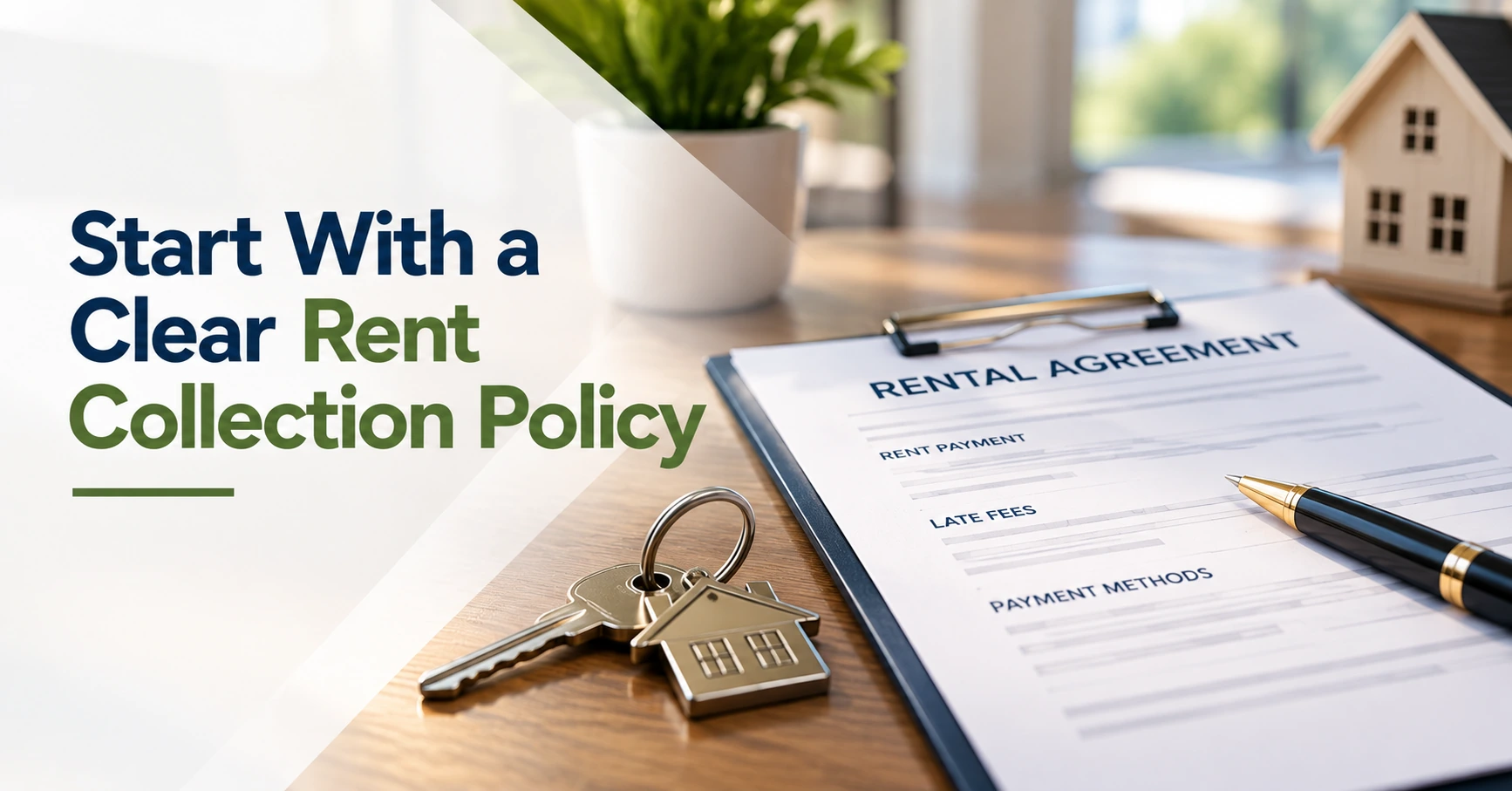
A strong rent collection process begins with a clear lease.
The lease should explain the monthly rent amount, due date, accepted payment methods, applicable late fees, and what happens when rent is not paid on time. It should also address returned payments, partial payments, and other payment issues.
The goal is to remove uncertainty. Tenants should not have to guess when rent is considered late or how they are expected to pay.
Consistency matters too. If landlords change the rules from month to month or make undocumented exceptions, rent collection becomes harder to manage. A predictable process helps everyone understand what to expect.
Use Rent Payment Reminders Before Rent Is Late
Rent payment reminders are one of the simplest ways to improve the collection process.
A reminder sent a few days before the due date gives tenants time to prepare their payment or resolve a problem with their payment method. Once a payment becomes overdue, communication should clearly identify the unpaid balance and explain the next step.
Property management software can automate these notifications through email, text messages, or a tenant portal. Effective rent payment reminders should be timely, professional, and consistent rather than excessive.
Make It Easy for Tenants to Pay Rent
Payment convenience can directly affect how smoothly rent collection works.
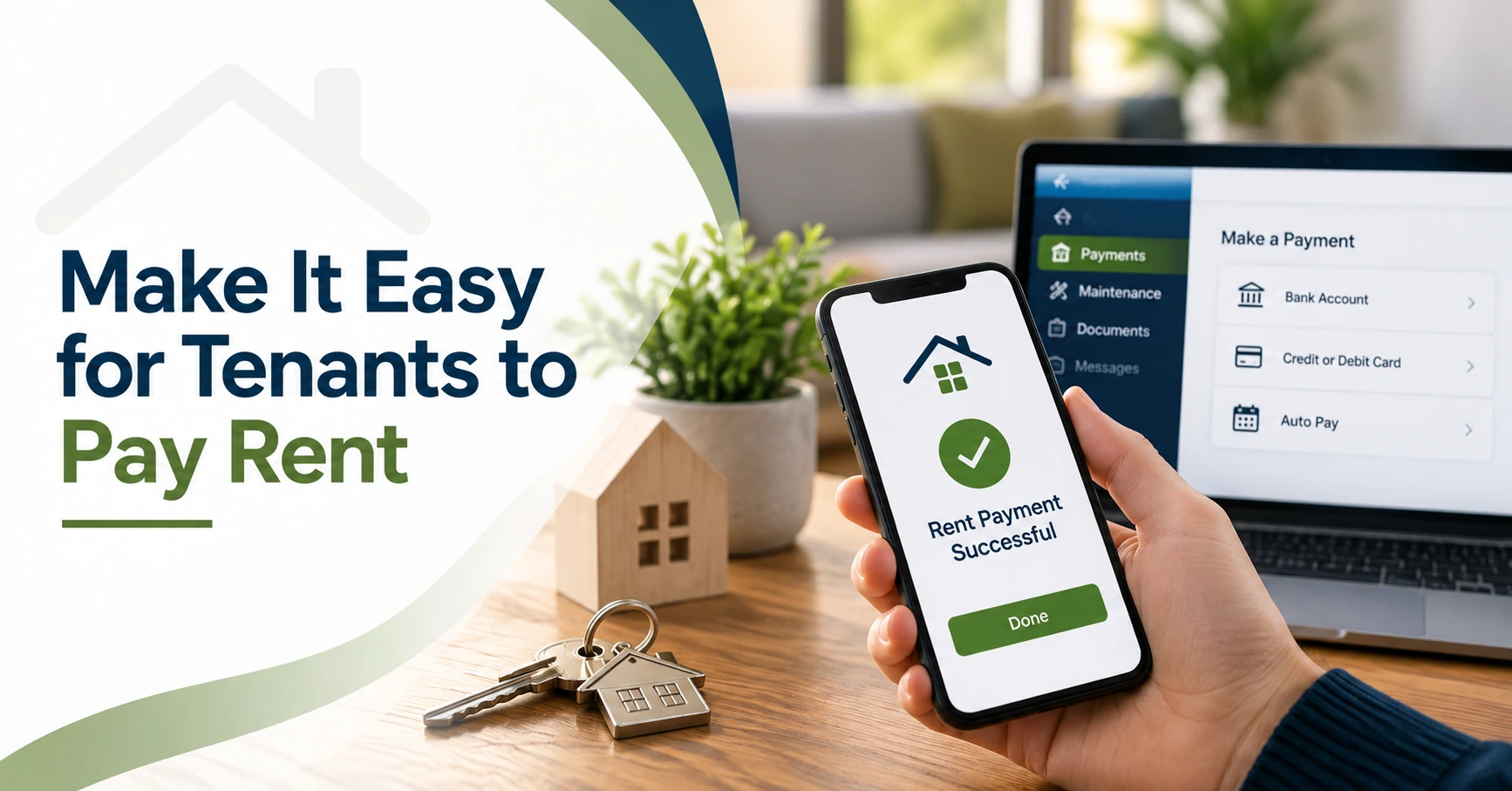
Online payment portals, ACH transfers, scheduled payments, and other electronic options allow tenants to pay without mailing a check or coordinating an in-person payment.
At Revolution Rental Management, residents have multiple ways to submit rent, including electronic payment options and cash payment options at participating Walmart locations.
Making rent easier to pay reduces unnecessary friction and creates a clearer record of payment activity.
Use Automated Rent Collection to Reduce Manual Work
Automated rent collection can be especially valuable for landlords managing several properties.
Instead of checking separate accounts, spreadsheets, emails, and payment records, landlords can use a centralized system to monitor which tenants have paid and which balances remain outstanding.
Automation may also support recurring payments, payment confirmations, rent payment reminders, receipts, and transaction histories.
However, payments can still fail because of insufficient funds, expired payment methods, or banking issues. Landlords still need a process for identifying failed payments and following up quickly.
The main advantage of automated rent collection is consistency. It creates a repeatable process that becomes easier to manage as a rental portfolio grows.
Apply Late Fees Consistently
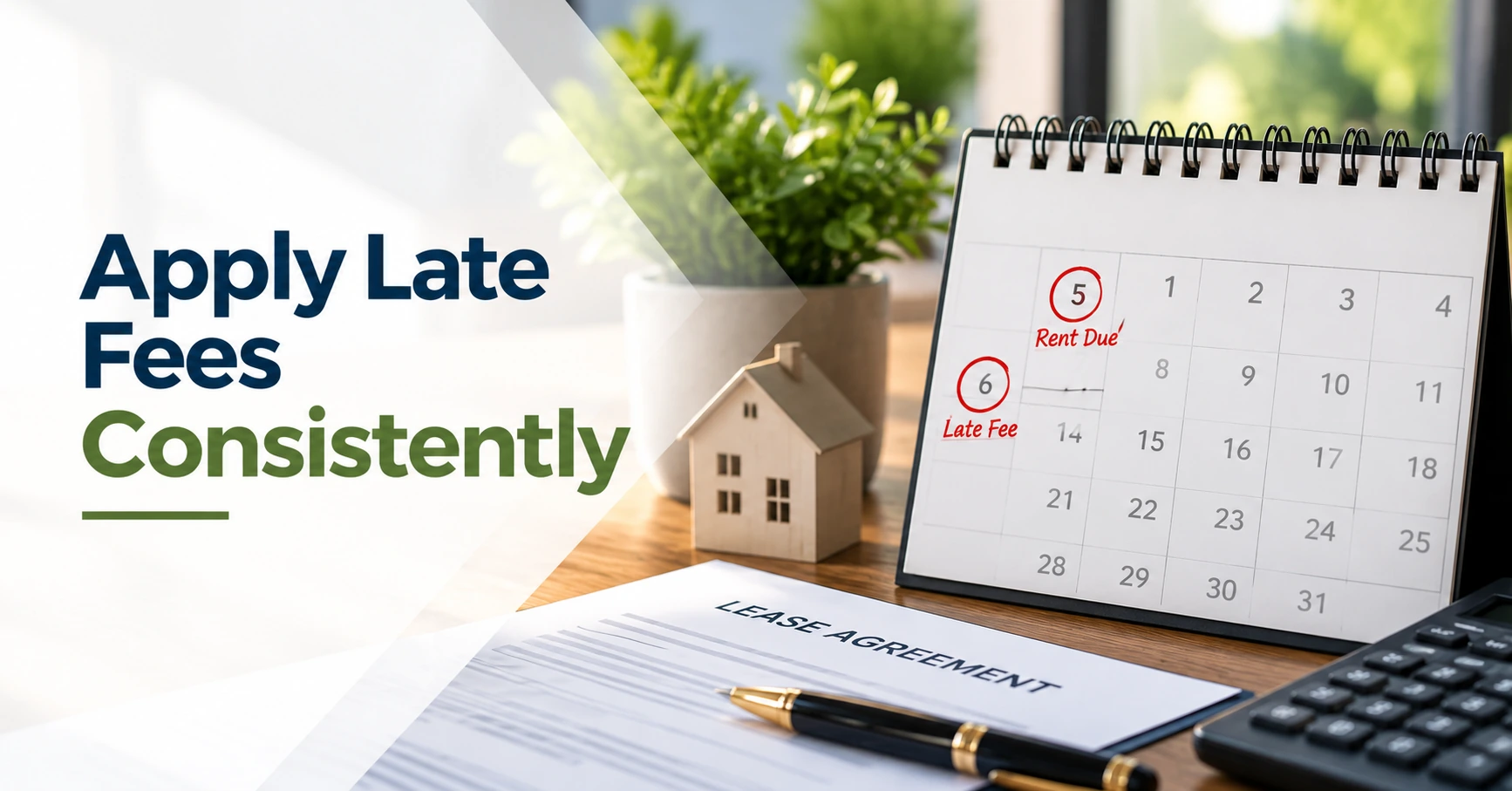
Late fees can encourage timely payment, but they should be clearly explained in the lease and applied consistently.
Tenants should know when rent becomes late and what charges may apply. Landlords should also make sure their lease and collection practices comply with current Georgia law.
Consistent policies reduce confusion and make it easier to document what happened if a dispute occurs. When unpaid rent may lead to legal action, landlords should follow current Georgia requirements and seek qualified legal advice when needed.
Keep Tenant Communication Professional
Effective rent collection depends heavily on communication.
Tenants should know how much they owe, when payment is expected, where to submit payment, and whom to contact if they encounter a problem.
When rent is late, communication should remain professional and documented. A standardized process also saves time because landlords do not have to decide how to respond differently each time a payment is missed.
Be Careful With Partial Payments
Partial rent payments require special attention.
A tenant who cannot pay the full balance may offer part of the rent. Accepting that payment can seem better than receiving nothing, but it may affect the landlord's legal options.
Georgia's Landlord-Tenant Handbook notes that accepting partial payment for the current month can affect a landlord's ability to pursue eviction for nonpayment for that month.
Because the consequences can vary, landlords should understand the implications before accepting a partial payment. If a payment plan is appropriate, document the amount owed, payment schedule, and deadlines. Judges in most Georgia counties are pretty lenient with landlords, but some counties like Fulton and Clayton can be a lot less tolerant if you do things like accept partial payments.
Document Every Rent Payment
Accurate records are essential to effective rent collection.
Landlords should be able to identify when a payment was received, how much was paid, which payment method was used, and whether any balance remains outstanding.
Digital systems can automatically record transactions. Good records also support financial reporting, tax preparation, owner statements, and the resolution of payment disputes.
For investors with multiple rentals, centralized records provide a clearer picture of portfolio performance.
Use Property Management Software to Centralize the Process
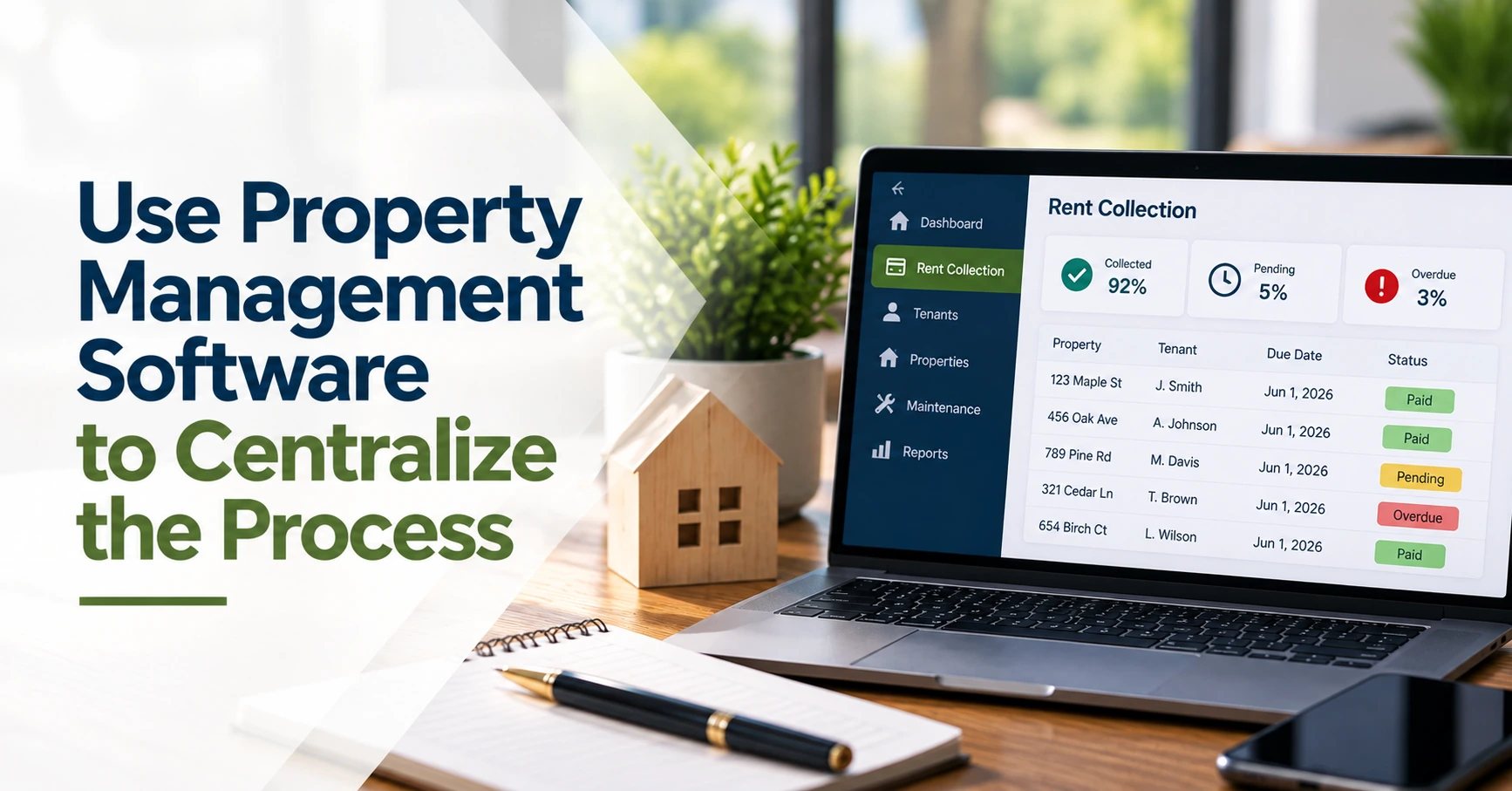
Property management software can bring several rent collection tasks into one system.
Instead of managing separate spreadsheets, bank records, emails, and reminder calendars, landlords can track balances, payments, tenant communication, and financial records from a centralized platform.
This becomes increasingly important as a portfolio grows. Technology can make rent collection more scalable, but the software still needs clear policies and consistent processes behind it.
What Should Landlords Do When Rent Is Not Paid?
Even strong rent collection strategies cannot guarantee that every tenant will always pay on time.
When rent remains unpaid, landlords should follow the lease, document communication, and comply with current Georgia landlord-tenant requirements. They should avoid improvised actions outside the legal process.
A predefined escalation process helps landlords respond faster and more consistently while reducing the risk of mistakes.
How Professional Property Management Helps With Rent Collection
Effective rent collection involves more than receiving a monthly payment.
Someone must monitor balances, maintain records, send reminders, communicate with residents, handle late payments, and apply lease terms consistently.
Revolution Rental Management handles rent collection and financial reporting as part of its Atlanta property management services. Owners can access statements and financial information through the Owner Portal while Revolution manages the ongoing collection process.
For landlords who want a more hands-off approach, professional management can reduce the time spent chasing payments and create a more organized system for managing rental income.
Q&A: Rent Collection Strategies for Landlords
What are the most effective rent collection strategies?
The most effective rent collection strategies combine clear lease terms, convenient payment methods, rent payment reminders, accurate records, consistent communication, and a defined process for handling late payments.
Do rent payment reminders help tenants pay on time?
Yes. Rent payment reminders can reduce avoidable late payments by notifying tenants before the due date and giving them time to resolve payment issues. Automated reminders also reduce manual follow-up for landlords.
What is automated rent collection?
Automated rent collection uses digital payment and property management systems to help process payments, track balances, issue receipts, and send notifications. It can reduce administrative work and create a more consistent rent collection process.
Should landlords accept partial rent payments?
Landlords should be cautious. Accepting a partial payment may affect the options available when rent remains unpaid. Georgia landlords should review the lease, current state requirements, and legal guidance before accepting a partial payment when eviction may become necessary.
Why is documentation important for rent collection?
Documentation creates a clear record of payments, outstanding balances, notices, and tenant communication. These records help landlords manage finances and respond more effectively if a payment dispute occurs.
Build a More Predictable Rent Collection Process
The best rent collection system is one that does not require landlords to reinvent the process every month.
Clear lease terms establish expectations. Convenient payment methods reduce friction. Rent payment reminders encourage tenants to act before balances become overdue, while automated rent collection reduces repetitive administrative work.
Combined, these rent collection strategies can help landlords create more predictable cash flow, maintain better records, and spend less time chasing payments.
If you own rental property in Metro Atlanta and want professional support with rent collection, tenant communication, accounting, maintenance, and other day-to-day responsibilities, Revolution Rental Management can help simplify the process.