

Finding the right tenant is key to your real estate investment. As a landlord or property manager, you want renters who pay on time, follow the lease, and treat the home with care.
This tenant screening checklist shows how to screen tenants with less guesswork. A good tenant screening report works like a tenant background check. It helps you review credit history, rental history, work, criminal records, and eviction records before you make a choice.
Understanding Tenant Screening Reports
A tenant screening report gives you a clear view of a renter's past. It may come from a tenant screening company or a property management company. These reports help you check financial responsibility, rental track record, employment stability, and more.
With this information, you can make fair choices based on facts, not hunches.
Key Parts of a Tenant Screening Report
A tenant screening report has several parts. Each part helps you judge the applicant's fit for your rental property.

Personal Information
This section lists the applicant's name, address, contact info, and Social Security number. It helps confirm identity before you run other checks.
Credit History
Credit history shows how the applicant handles debt and bills. The report may include the credit score, debts, payment history, bankruptcies, and collections.
Rental History
Rental history shows how the applicant acted as a tenant. It may list past rentals, lease terms, payment history, and eviction records. This helps you spot late payments, damage, or other issues.
Employment Verification
Work stability matters when you choose tenants. The report confirms current work status, income level, and length of employment. That helps you see if the applicant can afford the rent.
Criminal Background Checks
A criminal background check for tenants helps protect your property and other renters. This part may show convictions, sex offender records, or other criminal activity.
Eviction Records
This section can show any past evictions or eviction filings against the applicant. It helps you see if the person has broken lease terms or caused trouble before.
Using Credit History in a Tenant Screening Report
Credit history can show if a renter is likely to pay on time. A good score often means less risk. When you review this part of the tenant screening process, pay attention to the points below.

Credit Score
The credit score gives a quick view of a person's creditworthiness. Higher scores often mean better credit and less risk.
Payment History
Check bill payment history. Late payments or a history of delinquencies may show financial risk.
Debt-to-Income Ratio
Look at the debt-to-income ratio. It shows how much of the person's income goes toward debt. A high ratio may mean rent could be hard to pay.
Assessing Rental History in a Tenant Screening Report
The rental history section lists past homes, lease terms, payment history, and eviction records. By reviewing this information, you can see how well an applicant has met rental duties in the past and judge their fit as a tenant.

When you do a rental history check, look at these factors:
- Payment History: Check whether the applicant paid rent on time and in full. Missed or late payments can show weak money habits.
- Lease Terms: Look at the length of earlier leases. Short stays or frequent moves can point to a weak rental record. Longer stays often show more stability.
- Landlord References: Contact former landlords named in the report. Ask about rent payments, property care, and any problems. Their notes can help you judge the applicant's fit.
A rental history check can reveal patterns or red flags. Review payment history, lease terms, and landlord references with care. That helps you make better choices and reduce the chance of trouble later.
Remember to treat every applicant the same. Use the same rental history rules for each person. That supports fair, non-biased decisions.
By putting rental history first in your tenant screening process, you raise the chance of choosing renters who keep their promises and act responsibly. This helps support a stable rental property.
 Employment Verification: Ensuring Income Stability
Employment verification usually means contacting the applicant's current or former employer. You confirm work status, job title, length of work, and income level. This helps show whether the applicant can meet financial duties and pay rent.
When you review employment details in a tenant screening report, consider these points:
- Current Employment Status: Check that the applicant is working now. Confirm the job type and ask if the work is full time, part time, or contract.
- Length of Employment: Look at how long the applicant has worked for the current employer. Longer work history often points to stability. Many job changes or short work spells can be a warning sign.
- Income Level: Check that the income meets your rental rules. Many landlords want income that is at least three times the monthly rent. This can help make rent more manageable.
By checking work and income, you can lower the risk of missed rent and protect your property. However, do employment verification in line with local laws and rules, and respect the applicant's privacy.
Treat all applicants the same and use the same work check rules for each person. This helps support fair decisions and keeps the tenant screening process consistent.
Conducting Criminal Background Checks
A criminal background check for tenants usually looks for convictions, pending charges, or warrants. You may get this information from county records, state records, sex offender lists, and federal sources.
When you review this part of the tenant screening report, think about these points:
- Convictions: Look for criminal convictions in the applicant's past. Serious crimes may raise safety concerns. Consider the type of crime and whether it affects the applicant's fit as a tenant.
- Sex Offender Registrations: Check if the applicant is listed as a registered sex offender. This can matter a lot if the property is near schools, parks, or child spaces.
- Frequency and Recency: Look at how often the criminal acts happened and how recent they were. One old minor offense may be less concerning than a repeated or recent pattern.
Criminal checks should always follow the law. Make sure you know the rules in your area before you run these checks.
Thorough criminal background checks can lower risk, protect other tenants, and help keep your property safe. Use the same screening rules for every person so your choices stay fair and objective.
Eviction Records: Evaluating Rental Stability
The eviction records section of a tenant screening report shows past evictions or eviction filings against the applicant. By reviewing this information, you can see if the person has followed lease rules and judge rental stability.
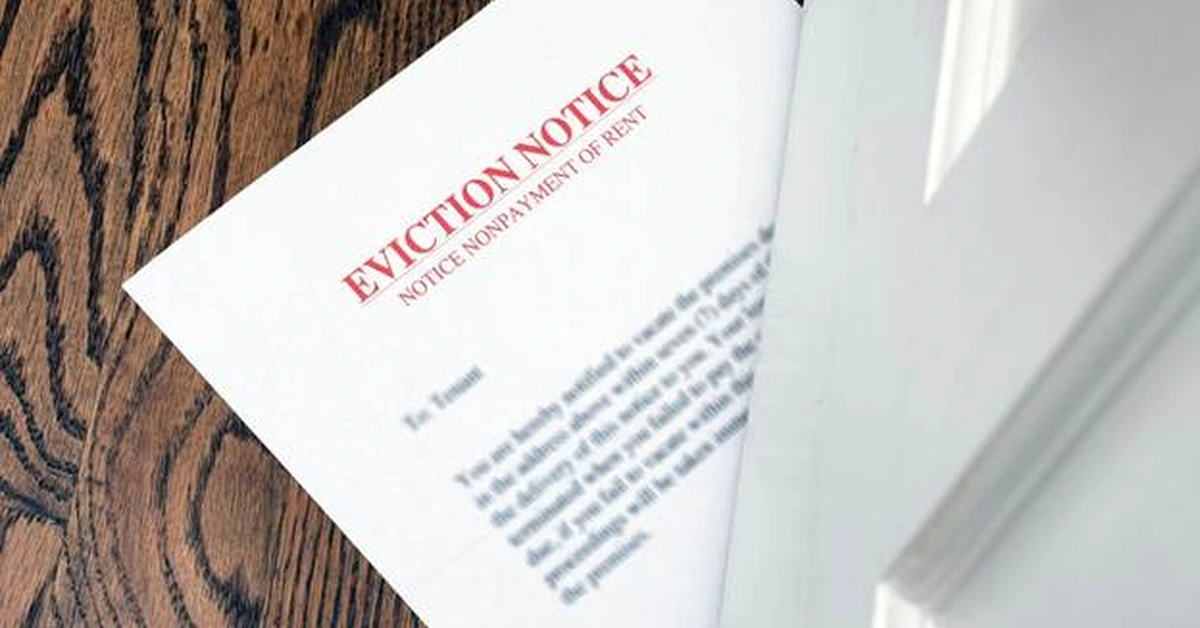
An eviction history check can be very useful when you screen tenants. Look at these factors:
- Eviction History: Look for past evictions. Multiple evictions or a pattern of eviction filings may point to bad behavior or money trouble. Also look at why the eviction happened, such as non-payment or lease breaks.
- Lease Violations: Check for any lease violations or legal actions in past rentals. This can show how well the applicant follows lease terms and house rules.
Not every eviction record should end the review right away. Some renters fall behind but fix the problem before the eviction is complete. Review each record in context and look at the full story.
By reviewing eviction records, you can better judge rental risk and the chance of future problems. Do this in line with local laws and rules, and respect the applicant's privacy.
Treat all applicants the same when you review eviction records. That helps support fair and objective choices.
By putting the review of eviction records first in your tenant screening process, you can lower the chance of future evictions and support a steady rental community.
Conclusion
Tenant screening reports are useful tools for landlords and property managers in the tenant selection process. By reviewing credit history, rental history, work stability, criminal history, and eviction records, you can make better rental choices.
For many landlords, a professional property management company can help with tenant screening and placement. Companies such as Revolution Rental Management can help keep the process accurate and legal. If you need help with tenant screening services, they can help you find the right tenants for your rental property.
Q&A
Question: What is the main purpose of a tenant screening report?
Short answer: A tenant screening report helps landlords and property managers decide whether a prospective tenant is responsible, stable, and a good fit for a rental property. It brings together facts from credit history, rental history, work checks, criminal records, and eviction records.
Question: Which parts of a tenant screening report matter most for money matters?
Short answer: Credit history and employment verification matter most for money matters. Credit history shows how the applicant handles bills and debt. Employment verification helps confirm current work, income level, and job stability, which can show whether the applicant can afford the rent.
Question: Should an eviction record automatically disqualify a rental applicant?
Short answer: No. Not every eviction record should automatically disqualify an applicant. Landlords should review each case and look at the full context, including why the filing happened and whether the issue was fixed. An applicant may have fallen behind but paid the landlord in full before the eviction was complete.
Question: Why is it important to use the same screening rules for every applicant?
Short answer: Using the same screening rules for every applicant supports fairness, consistency, and non-discrimination. It also helps landlords and property managers make objective choices based on reliable facts.
Question: Why might landlords choose a professional property management company for tenant screening?
Short answer: A professional property management company can help make tenant screening thorough, accurate, and legal. The guide notes that companies such as Revolution Rental Management can help with tenant screening and placement, so landlords can lower risk and find better tenants.