
A residential lease agreement is more than paperwork. It is a legally binding contract that establishes the expectations, obligations, and protections of both the landlord and the tenant.
For rental property owners, understanding how to draft a lease agreement can help prevent misunderstandings, establish consistent rules, and provide a clear framework for handling rent, maintenance, inspections, renewals, and potential disputes.
A strong lease should also reflect current Georgia landlord-tenant requirements. Because laws can change, landlords should periodically review their lease documents and seek qualified legal advice when necessary.
Key Takeaways
- A lease should clearly identify the parties, property, rent, lease term, deposits, and property rules.
- Tenant and landlord rights and responsibilities should be clearly defined.
- Georgia security deposit laws affect how deposits are collected and handled.
- A rental property inspection checklist can help document the condition of the home.
- The lease renewal process and lease termination notice period should be clearly explained.
- Landlords must follow the legal eviction process for landlords rather than using self-help measures.
How to Draft a Lease Agreement
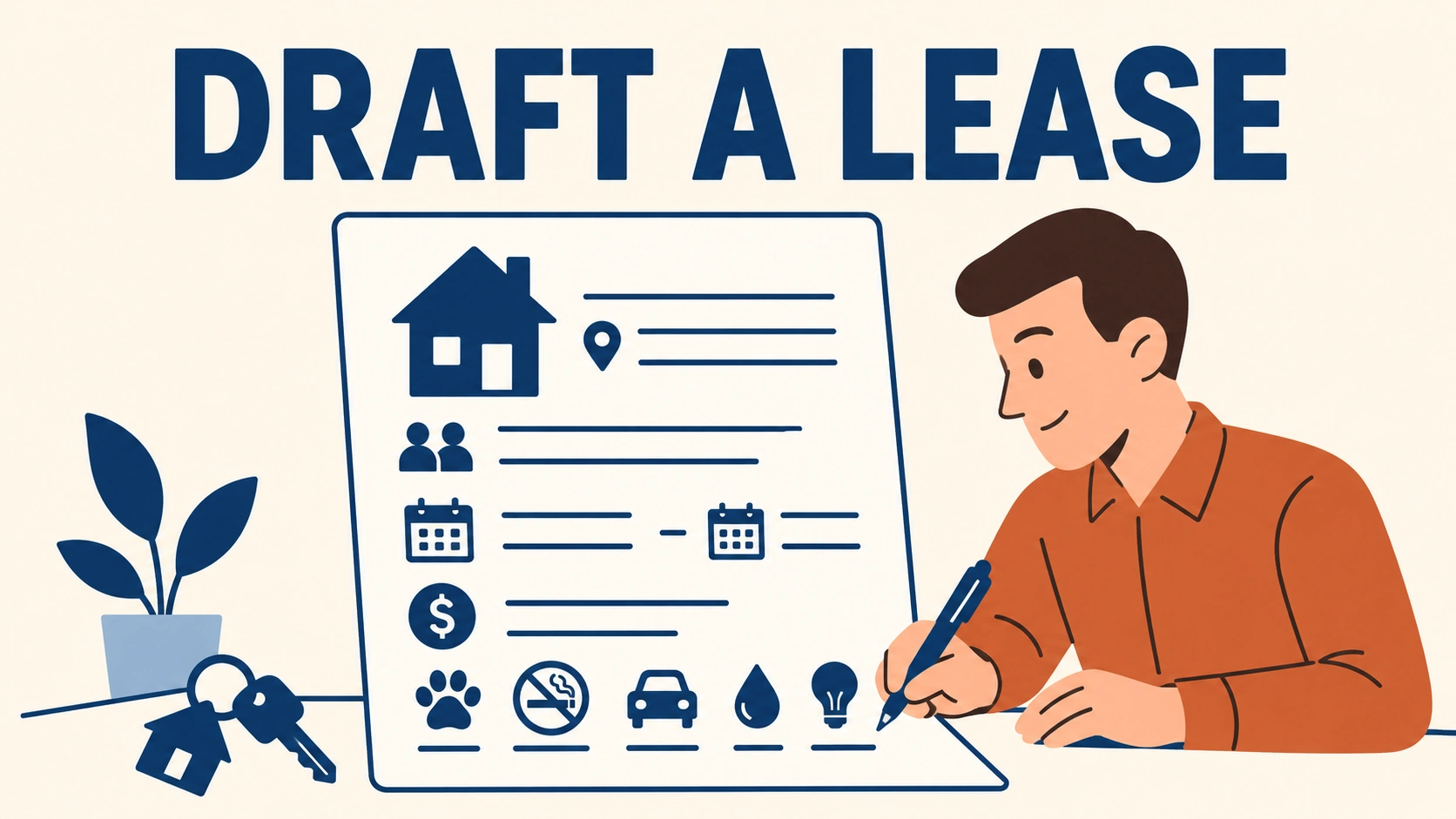
When learning how to draft a lease agreement, start with the basic terms that define the tenancy.
The agreement should include the legal names of all adult tenants, the rental property address, the lease start and end dates, monthly rent, due date, acceptable payment methods, and applicable fees.
It should also explain policies related to pets, smoking, utilities, occupancy, alterations, parking, maintenance, and other property-specific requirements.
Clear language matters. Avoid vague provisions that could be interpreted differently by the landlord and tenant.
Professional property management or qualified legal counsel can also help property owners maintain more consistent lease documents.
Define Tenant and Landlord Rights and Responsibilities
One of the most important purposes of a lease is explaining tenant and landlord rights and responsibilities.
Tenants are generally expected to pay rent according to the lease, follow property rules, maintain reasonable cleanliness, report maintenance problems, and avoid damaging the property.
Landlords also have legal and contractual responsibilities involving the condition and management of the rental.
Clearly defining these responsibilities reduces uncertainty when maintenance, payment, or property-condition issues arise.
A good lease should make it easy for both parties to understand what they are responsible for instead of relying on assumptions.
Clearly Explain Rent and Payment Terms
The lease should state:
- Monthly rent
- Rent due date
- Accepted payment methods
- Applicable late fees
- Returned-payment procedures
- Consequences of unpaid rent
These provisions support consistent rent collection and provide useful documentation if a payment dispute develops.
Landlords should apply lease terms consistently rather than changing their collection procedures from tenant to tenant.
Understand Security Deposit Laws
Georgia landlords should understand current security deposit laws before collecting a deposit.
Georgia's 2024 Safe at Home Act limits residential security deposits to no more than the equivalent of two months' rent. Other requirements may apply to how deposits are held, documented, deducted from, and returned.
The lease should clearly state the deposit amount and the conditions under which deductions may be made.
Revolution's guide to Georgia security deposit law provides additional information specifically for rental property owners.
Accurate documentation is especially important because landlords generally cannot charge tenants for ordinary wear and tear in the same way they may charge for tenant-caused damage.
Establish Renters Insurance Requirements
If a landlord requires renters insurance, the renters insurance requirements should be written directly into the lease.
The agreement can explain the required coverage, when proof of insurance must be provided, and whether tenants must maintain the policy throughout the lease term.
Renters insurance may help protect a tenant's personal belongings and provide liability coverage, but it does not replace the property owner's insurance.
Clear insurance language helps both parties understand their respective responsibilities.
Learn more about why Atlanta property owners may require renters insurance.
Use a Rental Property Inspection Checklist
A rental property inspection checklist creates a record of the property's condition.
Before move-in, landlords and tenants should document important areas such as:
- Floors and walls
- Doors and windows
- Appliances
- Plumbing fixtures
- Bathrooms and kitchens
- HVAC components
- Existing damage
Photos or videos can strengthen this documentation.
A consistent checklist can help distinguish pre-existing conditions and normal wear from new tenant-caused damage.
Regular rental property inspections can also help identify maintenance problems before they become more expensive.
Define Maintenance and Repair Responsibilities
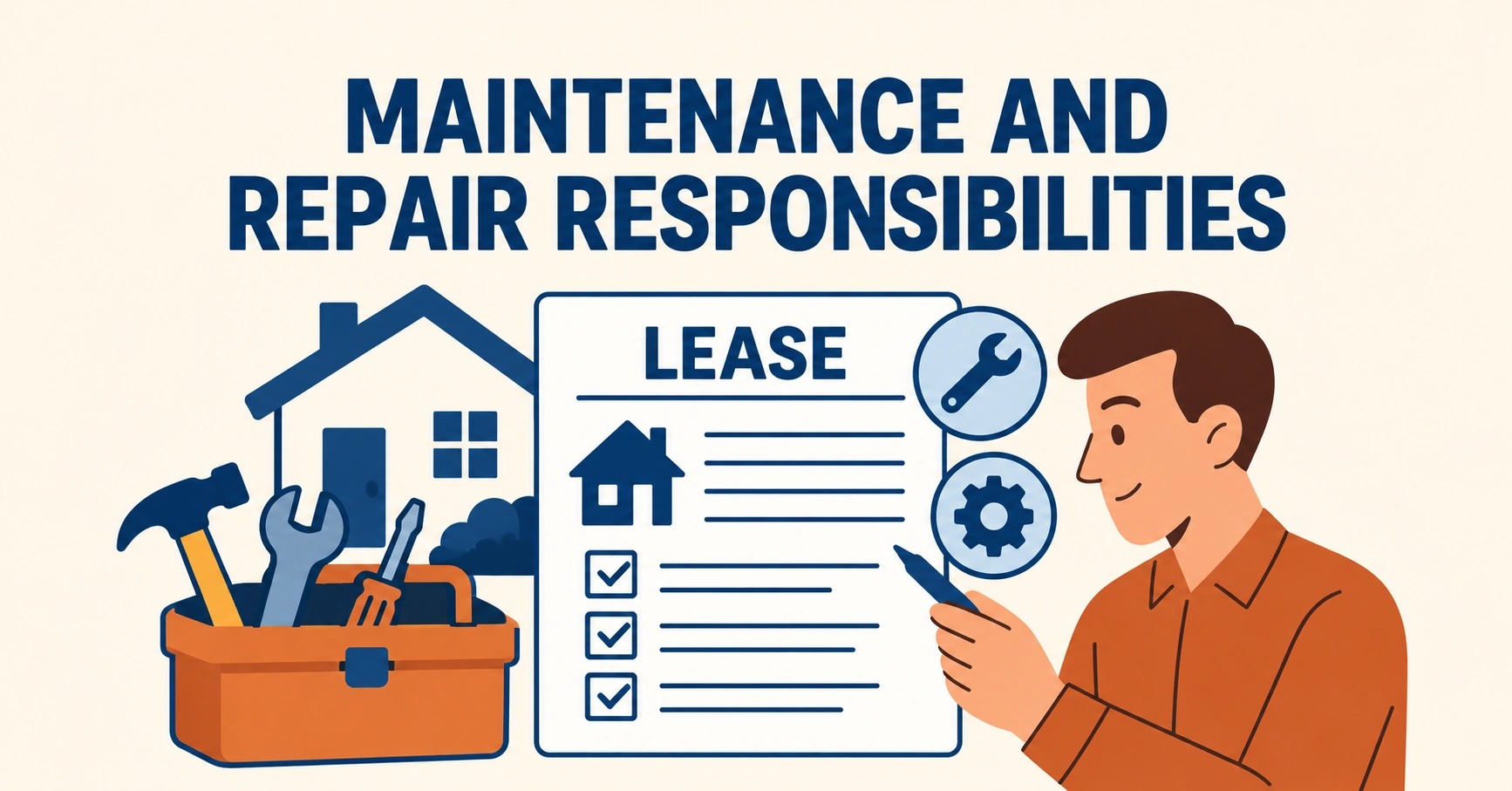
The lease should clearly establish who handles specific maintenance and repairs.
For example, the agreement may address lawn care, HVAC filters, pest control, utilities, appliances, and damage caused by tenants or their guests.
Tenants should also know how and where to submit maintenance requests.
Clear procedures help property managers respond faster and reduce disagreements about who is responsible for a particular repair.
Create a Clear Lease Renewal Process
A defined lease renewal process helps both landlords and tenants plan before the current lease expires.
The agreement should explain whether the lease:
- Automatically renews
- Requires a new agreement
- Converts to another type of tenancy
- Requires advance notice of renewal or nonrenewal
Before offering a renewal, landlords may evaluate the property's current rental rate, condition, tenant performance, and any updates needed in the lease.
Starting the process early gives both parties time to make informed decisions.
Understand the Lease Termination Notice Period
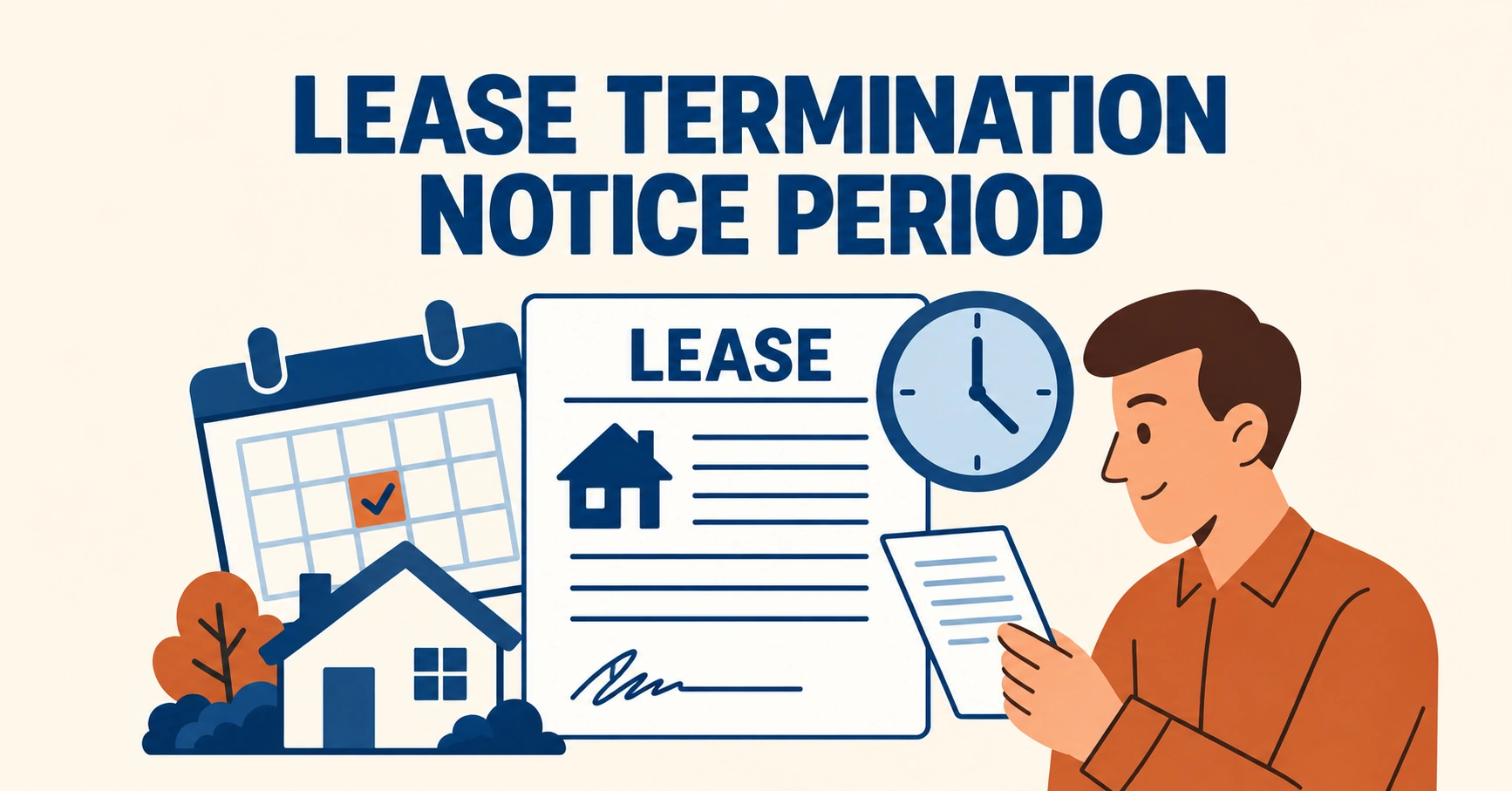
The lease termination notice period depends on the type of tenancy and the terms of the agreement.
For fixed-term leases, landlords should review the lease carefully for renewal and termination provisions.
If a Georgia tenancy becomes a tenancy-at-will, the Georgia Landlord-Tenant Handbook states that the landlord generally must provide 60 days' notice before terminating the tenancy or changing its terms, while the tenant generally must provide 30 days' notice before leaving.
Because notice requirements can depend on the circumstances, landlords should review current law and the specific lease before issuing a termination notice.
Understand the Eviction Process for Landlords
The eviction process for landlords must follow Georgia's legal dispossessory procedure.
Landlords should not attempt to remove a tenant themselves by changing locks, shutting off utilities, or removing belongings.
Under the Safe at Home Act, tenants generally receive at least three business days to cure unpaid rent or applicable charges before a landlord files a dispossessory action for nonpayment.
Because eviction procedures can be highly fact-specific, landlords should use current legal guidance or qualified counsel when necessary.
Revolution also provides professional support related to eviction.
Keep Communication and Documentation Organized
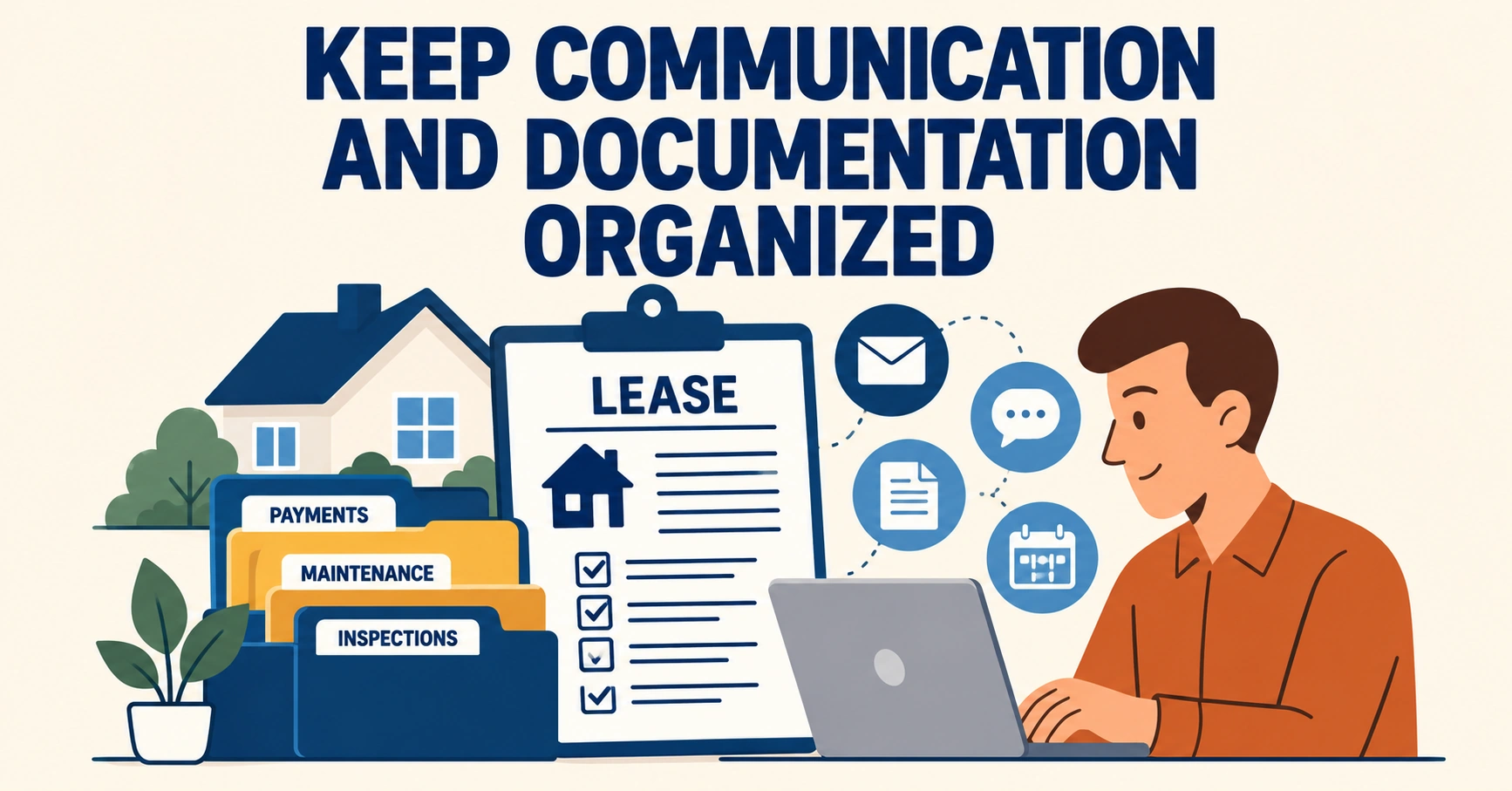
Strong lease management continues after the lease is signed.
Landlords should keep records of:
- Rent payments
- Tenant notices
- Property inspections
- Maintenance and repairs
- Lease changes
- Renewal communications
- Important tenant correspondence
Written communication through email, text, property management software, or formal notices can create a clearer record than relying only on verbal conversations.
Q&A: Lease Agreements for Georgia Landlords
What should every residential lease agreement include?
A residential lease should identify the parties and property and explain rent, lease duration, deposits, maintenance responsibilities, property rules, insurance requirements, renewal provisions, and termination procedures.
How do you know how to draft a lease agreement correctly?
Start with clear terms covering the property and your management policies. Then make sure the lease complies with applicable federal, Georgia, and local requirements. Professional legal review can help identify missing or problematic provisions.
What is the lease termination notice period in Georgia?
It depends on the lease. For a Georgia tenancy-at-will, the landlord generally provides 60 days' notice, while the tenant generally provides 30 days' notice. Fixed-term leases may have different requirements based on their terms.
What should be included in a rental property inspection checklist?
Document major surfaces, fixtures, appliances, doors, windows, plumbing, HVAC components, and existing damage. Photos and signed inspection documentation can provide additional evidence of the property's condition.
Why should a lease include renters insurance requirements?
Clear renters insurance requirements tell tenants whether insurance is mandatory, what documentation is required, and which risks remain the responsibility of the tenant or landlord.
Build a Stronger Lease Management Process
A successful lease agreement should make rental ownership easier to manage, not more complicated.
Clear tenant and landlord rights and responsibilities, accurate security deposit provisions, documented inspections, and well-defined renewal and termination procedures all contribute to more consistent lease management.
For owners who do not want to handle these responsibilities themselves, full-service property management can help coordinate leasing, rent collection, maintenance, inspections, renewals, documentation, and other day-to-day responsibilities.